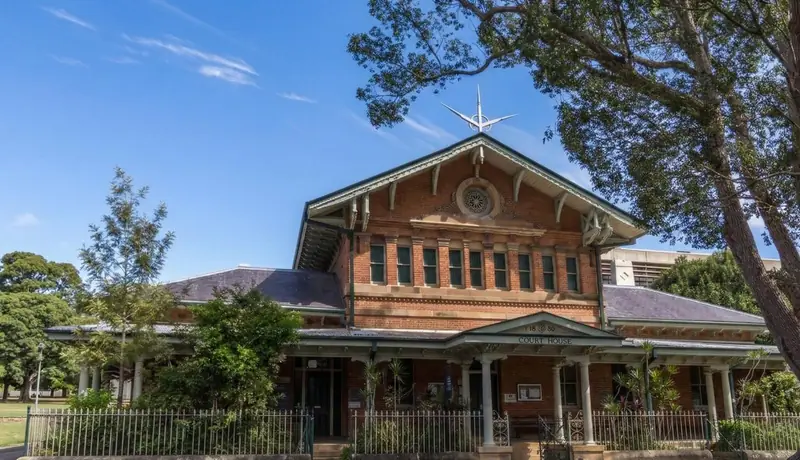
Drink Driving Charges
Grafton, Maclean and Coffs Harbour Local Courts. Practical advice on what happens to your licence.
Grafton, Maclean and Coffs Harbour Local Courts. Practical advice on what happens to your licence.
Drink driving in New South Wales is prosecuted under the Road Transport Act 2013, and the offence is defined by the concentration of alcohol in your breath or blood. There are five ranges: novice (above zero but below 0.02, for learner and provisional licence holders), special (0.02 to below 0.05, for drivers of heavy vehicles, dangerous goods vehicles and public passenger vehicles), low (0.05 to below 0.08), middle (0.08 to below 0.15) and high (0.15 and above).
One point catches people out constantly. The novice range stops at 0.02 — it is not "any alcohol at all". A learner or P-plater who returns 0.03 is dealt with in the special range, and at 0.09 in the middle range, with materially different consequences. If you have been told your reading puts you in the novice range, it is worth checking.
The lower threshold also catches more people than most realise. The special category is not limited to learners, P-platers and heavy vehicle drivers — it extends to a driver who is disqualified, whose licence has been cancelled or suspended, or who has never held a licence at all. An unlicensed driver is subject to the 0.02 limit, not 0.05.
Low, novice and special range first offences can be dealt with by penalty notice, or you can elect to go to court. Middle and high range matters go to court, and there is no penalty notice option. Middle range carries up to nine months imprisonment for a first offence, and high range up to eighteen months — imprisonment is genuinely available on a first high range charge, which surprises most people.
A previous offence counts against you for five years, and an offence dealt with by penalty notice counts. That is what pushes a second low range reading into court and into the interlock scheme.
For middle range, high range, driving under the influence and refusing a breath analysis, police suspend your licence immediately and it stays suspended until the court finalises the matter. For low, novice and special range, the suspension is three months.
You can appeal that suspension to the Local Court, but the application must be made within 28 days of the suspension, and that limit cannot be extended. The court can only lift or vary the suspension if satisfied there are exceptional circumstances, and it is not permitted to take the circumstances of the alleged offence into account.
The suspension is not paused while the appeal is on foot. Driving before the court lifts it is driving while suspended, which is a separate and more serious matter. If your licence has just been taken, ring us before the 28 days runs down.
For a middle or high range offence, driving under the influence, refusing a breath analysis, or a repeat low, novice or special range offence, the court must make a mandatory alcohol interlock order unless it grants an exemption.
Here is the part that is routinely misreported. Under an interlock order the disqualification is much shorter than the figures usually quoted — for a first middle range offence, a matter of months rather than a year — but it is followed by an interlock period of between twelve and forty-eight months, during which you may only drive a vehicle fitted with an approved device and must maintain a zero reading. So people told "twelve months off the road" are often wrong in both directions: the disqualification is shorter than they fear, and the total period under restriction is longer than they realise.
Exemptions are narrow: essentially no access to any vehicle in which a device could be installed, a medical condition preventing you giving a breath sample, or, for a first middle range offence only, severe hardship. Cost, needing your licence for work, and living in a regional area are expressly not grounds. That last one matters in the Clarence Valley, and it is the most common misconception we hear.
Declining the program is not an option that leaves you better off. A person who does not enter or does not complete the interlock period remains disqualified for five years from the date of conviction.
Automatic disqualification and interlock orders attach to a conviction. Under section 10 of the Crimes (Sentencing Procedure) Act 1999, a court that finds you guilty may deal with the matter without recording a conviction — either by dismissing the charge, or by placing you on a conditional release order without conviction. Where that happens there is no conviction, and so no disqualification and no interlock.
Two limits are worth knowing. A non-conviction order is not available for a driving offence of this kind if you have had one for another such offence in the previous five years. And it is uncommon in high range matters — the sentencing guidance describes it as rarely appropriate there. Be wary of anyone who promises you a section 10.
Note also that a conditional release order with conviction is a different thing entirely. It records a conviction, and the licence consequences follow.
What we do is assess whether the outcome is realistically available on your facts and your record, and if it is, prepare the material that supports it — which usually includes completing an approved Traffic Offender Intervention Program before sentence. Magistrates commonly adjourn a matter so that can happen. It demonstrates insight and it is taken into account, but it guarantees nothing.
Most drink driving matters for Clarence Valley residents are heard at the Grafton Local Court or the Maclean Local Court, and Coffs Coast matters at the Coffs Harbour Local Court. Severity appeals go to the District Court. We appear at all of these regularly.
We also accept Legal Aid for eligible criminal matters and can help you apply.
Almost certainly for some period, unless the court deals with the matter without recording a conviction. For middle and high range, police take your licence on the spot and it stays suspended until the matter is finalised. For a low, novice or special range first offence a penalty notice carries a three-month suspension. Whether a non-conviction outcome is realistically available depends on your reading, your record and the circumstances, and we can only assess that once we have seen the police facts and your driving history.
Not if police suspended your licence at the roadside. You can appeal that suspension to the Local Court, but only within 28 days of the suspension, and the court can lift it only if satisfied there are exceptional circumstances. Importantly, the suspension is not paused while the appeal is pending, so driving in the meantime is driving while suspended. If a Transport for NSW suspension is involved instead, the position differs, so tell us which you have received.
Paying means no court appearance and no conviction, but the three-month suspension still applies and the offence counts against you for five years. Electing to go to court gives you the chance to ask for a shorter disqualification or a non-conviction order, but a magistrate can also impose a longer disqualification and a larger fine. There is a deadline for electing court, so it is worth getting advice on that trade-off before it passes.
If you are convicted of a middle or high range offence, driving under the influence, refusing a breath analysis, or a repeat low, novice or special range offence, the court must make an interlock order unless it grants an exemption. That means a shorter disqualification followed by twelve to forty-eight months during which you may only drive a fitted vehicle at a zero reading. Exemptions are narrow, and cost, work needs and living regionally are expressly not grounds. Declining the program leaves you disqualified for five years from conviction.
It allows a court to find you guilty but deal with the matter without recording a conviction, either by dismissing the charge or by a conditional release order without conviction. Because disqualification and interlock orders attach to a conviction, that outcome means neither applies. It is unavailable if you have had one for another driving offence of this kind in the past five years, and it is uncommon in high range matters. No solicitor can promise you one.
It is a court-recognised road safety education program for people who have pleaded or been found guilty, run by approved providers online, in person or over several weeks. Completing it before sentence demonstrates insight and steps towards rehabilitation, and magistrates commonly adjourn a matter so it can be finished. It is a matter the court takes into account and can support a reduced disqualification or a non-conviction outcome, but it does not guarantee any particular penalty. Providers are directed to consider reducing the fee where there is financial disadvantage.
Send a short enquiry and we will come back to you, usually the same business day. This is a free initial enquiry so we can work out whether we are able to assist you. It is not legal advice, and there is no obligation either way.
This page is general information about the law in New South Wales. It is not legal advice and does not take account of your circumstances. The law changes, and how it applies depends on the facts of your matter. Please contact us so we can work out whether we are able to assist you.